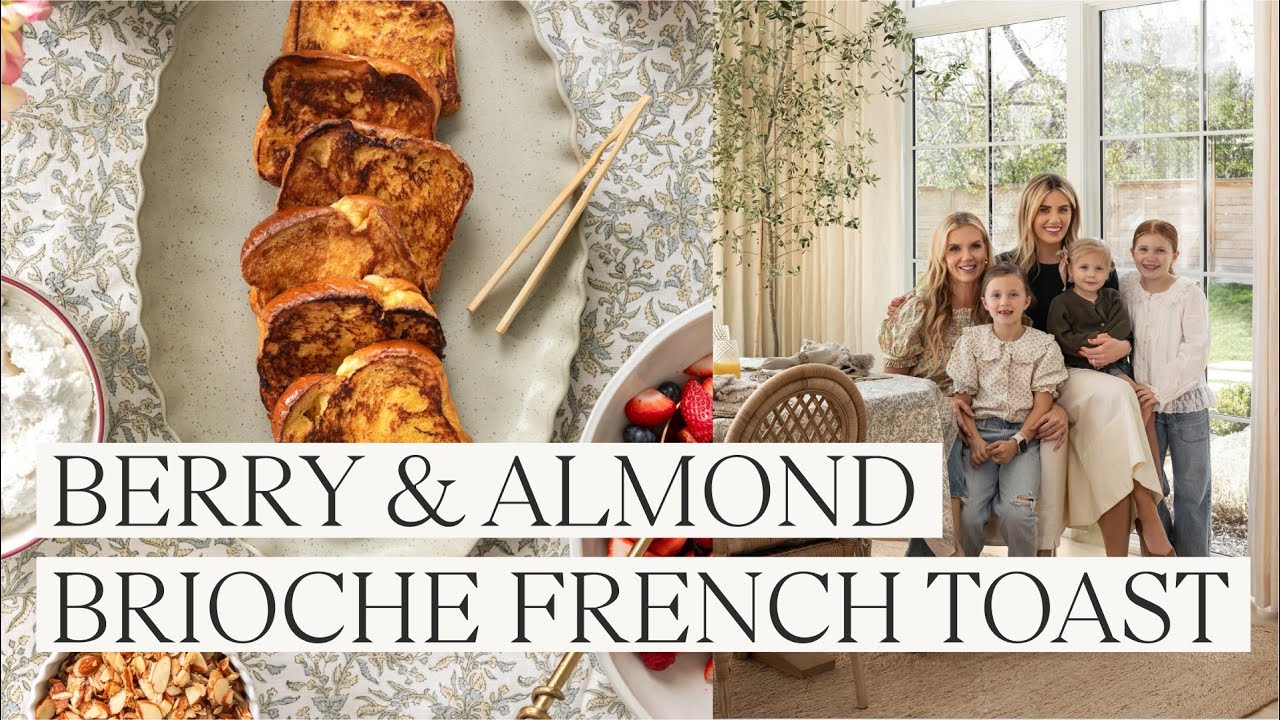
Mastering Brioche French Toast: Low & Slow Cooking for Perfection
There's French toast, and then there's **brioche french toast**. What seems like a simple swap of bread transforms a delightful breakfast into an unparalleled culinary experience. Imagine a rich, eggy, golden-brown exterior giving way to an impossibly soft, custardy interior – a texture so luxurious it feels like a dessert. This isn't just a weekend treat; it's a statement, a celebration, and a testament to the magic that happens when a few high-quality ingredients are treated with care. The secret to achieving this extraordinary dish lies not just in the choice of bread and an exquisite custard, but in a fundamental cooking principle: going *low and slow*.
The Unrivaled Foundation: Why Brioche Reigns Supreme for French Toast
At the heart of truly exceptional French toast is the bread, and when it comes to delivering a sublime experience, brioche stands head and shoulders above the rest. Originating from France, brioche is a pastry-like bread distinguished by its rich content of butter and eggs, which give it a tender crumb and a subtly sweet flavor. This unique composition makes it the ideal candidate for soaking up a flavorful custard without falling apart or becoming overly soggy.
Unlike standard sandwich bread, brioche's inherent richness adds an extra layer of flavor and a wonderfully soft texture that no other bread can quite replicate. Its slightly denser yet incredibly tender structure allows it to absorb the egg mixture perfectly, resulting in a **brioche french toast** that is moist and custardy on the inside, with a beautiful, crisp exterior when cooked correctly. For more in-depth insights into why this bread is a game-changer and where to source it, explore our article on
Why Brioche French Toast Elevates Any Brunch (and Where to Find It).
Finding brioche is typically straightforward. Most well-stocked grocery stores, especially those with an in-house bakery, will carry it. Look for a loaf that feels substantial, often recognizable by its slightly golden hue and sometimes a braided appearance, although this is more common with challah. If brioche proves elusive, challah bread, with its similar eggy richness and slightly firm texture, makes an excellent substitute. And for the adventurous home baker, crafting your own brioche can be a rewarding project, ensuring peak freshness and customization. A crucial tip for any French toast: use day-old brioche if possible. Slightly stale bread absorbs the custard more effectively without becoming mushy, setting the stage for that perfect interior.
Crafting the Custard: The Secret to Unforgettable Flavor
While brioche lays the foundation, it's the custard that infuses every bite with depth and character. A truly elevated **brioche french toast** demands a custard that complements the bread's richness, and a blend of honey and vanilla does precisely that. This combination isn't just about sweetness; it's about adding nuanced layers of flavor that transform a simple egg dip into a gourmet experience.
The natural sweetness of honey provides a distinctive flavor profile that sugar simply can't replicate. It imparts a beautiful golden hue to the cooked toast and, uniquely, can create occasional, delightful pockets of caramelized honey on the surface as it cooks. Discover more about this specific flavor profile in our dedicated piece:
Honey Vanilla Brioche French Toast: The Ultimate Special Breakfast. Paired with the warm, aromatic notes of vanilla – ideally pure vanilla extract, or even better, vanilla bean paste or a scraped bean – this custard elevates the entire dish, making it undeniably special.
When preparing your custard, remember that quality truly matters. With so few ingredients in French toast, each one shines through. Opt for fresh, high-quality eggs, good dairy (whole milk or even a splash of cream for extra richness), and your chosen sweetener. While honey is fantastic, some recipes, like Bethy Leonard's Buttermilk Brioche French Toast, advocate for buttermilk, which introduces a subtle tang that beautifully balances the richness of the brioche. Whichever liquid you choose, ensure the honey, if used, is thoroughly incorporated into the egg mixture. Honey has a tendency to settle, so whisk vigorously and perhaps give it another stir before dipping each slice to ensure every piece gets that delightful sticky sweetness. Don't rush the dipping process either; allow the brioche slices to soak for 30 seconds to a minute per side, letting them fully absorb the rich custard for that ultimately soft, cooked-through interior.
The Art of the Sizzle: Mastering Low & Slow Cooking
You’ve got your perfect brioche, your exquisite custard, and now comes the most critical step often overlooked: the cooking method. The key to achieving that coveted golden-brown, slightly crispy exterior and a fully cooked, soft, custardy interior is to cook your **brioche french toast** *low and slow*. This principle is paramount for French toast, distinguishing it significantly from cooking pancakes, which typically require higher heat.
If you cook French toast on too high a heat, the outside will brown and even burn rapidly, while the interior remains undercooked, gooey, and wet. This results in a disappointing texture contrast – burnt on the outside, raw on the inside. The "low and slow" approach allows the heat to gently penetrate the thick slices of brioche, cooking the egg custard all the way through without scorching the exterior. This patient method yields a beautifully uniform result: a lovely golden-brown crust that isn't wet but has a pleasant crispness, enveloping an interior that is thoroughly cooked, warm, and unbelievably soft.
Start with your griddle or non-stick pan heated over medium-low to medium heat. The exact setting will vary depending on your stove and pan, so pay attention. You're aiming for a gentle sizzle, not an aggressive one. Place your custard-soaked brioche slices onto the preheated surface, ensuring not to overcrowd the pan – give each slice enough space. Cook for approximately 3-5 minutes per side. Don't be afraid to lift a corner to check the color; you're looking for that appealing, even golden brown. If after 3-4 minutes it's not quite there, simply continue cooking for another minute or two. Patience is truly a virtue here. When both sides boast that perfect golden hue and the bread no longer looks wet, but instead has a delightful crispness, your brioche French toast is perfectly done. This careful attention to temperature and time guarantees an unforgettable texture that will have everyone asking for seconds.
Elevating Your Brioche French Toast Experience
Once you’ve mastered the art of cooking **brioche french toast** to perfection, the final flourish comes in how you serve it. While it’s utterly delicious on its own, a few thoughtful additions can transform it into a true showstopper, whether for a special Sunday breakfast, a festive Christmas brunch, or any cherished celebration.
Classic accompaniments are always a win. A generous drizzle of
pure maple syrup is non-negotiable; its rich, natural sweetness perfectly complements the brioche and honey-vanilla notes. For an extra touch of decadence, a dollop of freshly whipped cream adds a cloud-like texture and rich flavor. Fresh berries, particularly strawberries as mentioned in one of our foundational inspirations, bring a burst of color, freshness, and a tart counterpoint to the sweetness. Blueberries, raspberries, or a mixed berry compote are also fantastic choices. A light dusting of powdered sugar over the top not only adds a touch more sweetness but also creates a beautiful, elegant finish that makes the dish visually appealing.
For those looking to get creative, consider adding a sprinkle of cinnamon, a handful of toasted nuts, or even a dollop of fruit curd for a vibrant twist. Pairing your brioche French toast with a strong cup of coffee or, for brunch, a sparkling mimosa, completes the experience. If you find yourself with leftovers (a rare occurrence!), they can be gently reheated in a toaster oven or a warm oven, regaining much of their original charm.
Conclusion
Mastering **brioche french toast** is about embracing quality ingredients and understanding the science of cooking. From selecting the perfect brioche bread and crafting a rich, flavorful honey-vanilla (or buttermilk) custard, to the crucial technique of cooking it *low and slow*, each step contributes to an outcome that is far more than the sum of its parts. This isn't just breakfast; it's a culinary journey, a special moment shared with loved ones, transforming ordinary mornings into extraordinary memories. So, gather your finest ingredients, practice a little patience, and prepare to indulge in the unparalleled perfection of truly masterful brioche French toast.